For many years, oil was viewed as one product in the kitchen to grease the pans and ensure that the food does not stick to it. However, for everyone who has spent their time researching natural foods, cooking, and wellness knows that there are different types of oils that can be distinguished by their features and benefits.
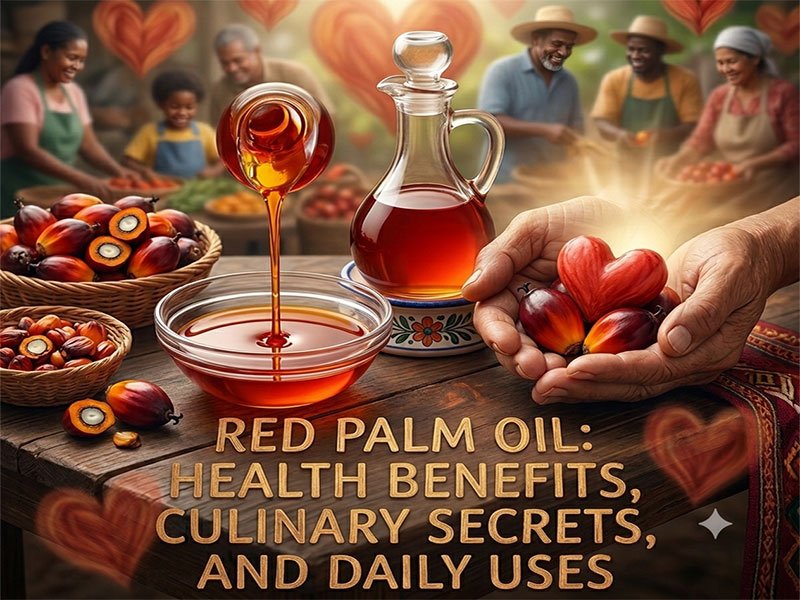
If one moves away from very refined and transparent oils and moves towards nutrient-rich traditional fats, red palm oil is the first choice for him or her. With such specific red ruby-amber color, rich earthy taste and antioxidants, the unrefined red palm oil is much more than a cooking tool. It is a potent natural superfood with a long history in the traditional cuisines of West Africa and Asia.
This article discusses the benefits of using red palm oil, ways of using red palm oil cooking oil in one’s kitchen, comparison with refined fats, unusual applications of this oil (for example, palm oil soap), and information about buying palm oil.
Why is Red Palm Oil So Special?
Before we can answer the question of what makes red palm oil so special to both holistic health professionals and traditional cooks, let’s talk about how this oil differs from ordinary palm oil.
Commercially produced refined palm oil goes through a process of heavy refining, bleaching, and deodorization. During this procedure, oil loses all of its color, taste, and natural micro-nutrients contained in it. Meanwhile, unrefined red palm oil is usually cold-pressed or pressed from the fruit of the oil palm (Elaeis guineensis).
Because it does not go through any extensive procedures, red palm oil keeps its natural red color thanks to an unusually high content of natural carotenoids (same antioxidants present in carrots and sweet potatoes).
"Red palm oil is the natural source of carotenes and tocotrienols. When you see that deep red color, you are looking at pure antioxidant power."
Health Benefits of Unrefined Red Palm Oil
Adding unrefined red palm oil to your well-balanced diet will give you many unique benefits backed by scientific nutrition research and traditional application.
1. Best Natural Plant Beta-Carotene (Pro-Vitamin A) Source
Red palm oil is recognized as one of the best natural plant sources of beta-carotene and alpha-carotene. For example, unrefined red palm oil has more beta-carotene per gram than carrots or tomatoes.
- Healthy Eyesight: Beta-carotene is turned into Vitamin A by the body, thus providing you with the opportunity to maintain proper vision and avoid night blindness and cornea problems.
- Boosting Immunity: Vitamin A is needed to preserve the integrity of mucous membranes and white blood cells.
2. Rich with Potent Tocotrienols (Super Vitamin E)
Unlike other supplements with tocopherols, unrefined red palm oil has a great amount of tocotrienols – an effective and rare Vitamin E.
- Protecting Brain Cells: There is evidence that suggests tocotrienols have the ability to penetrate the blood-brain barrier and thus provide protection from oxidative stress and free radical damage.
- Extending Life Span: Tocotrienols have a high antioxidant capacity and thus fight free radicals responsible for aging and reduce the level of systemic inflammation.
3. Promotes Healthy Heart and Balanced Cholesterol
It is a widespread myth that palm oil with saturated fats should be bad for the heart. Unrefined red palm oil has a balanced composition: about 50% saturated fats, 40% monounsaturated fats (oleic acid being the most important for olive oil) and 10% polyunsaturated fats.
- Healthy Blood Vessels: Antioxidant combination of tocotrienols and carotenoids prevents the oxidation of lipids in the bloodstream. Oxidized LDL cholesterol is one of the reasons of atherosclerosis, thus unrefined red palm oil helps prevent the disease.
- Balanced Composition: If you use it in moderate quantities instead of trans fats and vegetable oils, it promotes the balance of blood lipids.
4. Improves Nutrient Absorption
There are certain nutrients which are not absorbed without the presence of fats. For instance, Vitamins A, D, E and K are fat-soluble. You need to have some fats in the process of eating to have their good absorption.
Cooking vegetables in red palm oil will increase the ability of your body to absorb the necessary vitamins and phytonutrients from greens, squash and root vegetables.
Culinary Guide: How to Cook with Red Palm Oil
Integrating red palm oil into your kitchen routine brings both nutritional perks and an authentic depth of flavor.
| RED PALM OIL COOKING PROFILE | |
|---|---|
|
Flavor Profile |
Savory, earthy, slightly nutty, rich |
|
Smoke Point |
~230°C (446°F) – Excellent for high heat |
|
Best Culinary Uses |
Stews, curries, roasted vegetables, sautéing, rice |
Taste Characteristics and Heat Resistance
Red palm oil, which has not been refined, has savory, earthy, and slightly nutty flavors. Extra virgin olive oil, on the other hand, is not suitable for heat because of its delicate character; red palm oil has a very high smoke point of about 230°C (446°F), which makes it resistant to cooking at high temperatures without producing smoke or decomposition products.
Recipe Ideas from Traditional and Contemporary Recipes
- Nigerian & West African/Caribbean Soups: Red palm oil is used as a base ingredient in such dishes as Egusi Soup, Rice Dishes with flavors similar to Jollof, and bean soups. It adds the golden-orange color and richness to the dishes.
- Sautéing Vegetables: Sauté spinach, kale, onions, and garlic in one tablespoon of red palm oil. It will give greens a rich look while improving their nutritional value.
- Spiced Roasting: Mix sweet potatoes, carrots, or chickpeas with melted red palm oil, sea salt, cumin, and smoked paprika.
Uses of Palm Oil in Personal Care and Soap Production
Not only is palm oil great for cooking but it is also used in many other industries, including production of personal care products for centuries.
Palm Oil in Soap Production
If you have tried soap production yourself then you know how important the choice of fats is for obtaining proper consistency of the soap. The following are unique benefits of using palm oil for soap production:
- Hard Bar: Palm oil helps produce a long-lasting hard bar of soap that does not dissolve in water easily.
- Soothing Lather: When used together with coconut and olive oils, palm oil helps create luxurious and rich lather.
- Natural Coloring: Unrefined red palm oil naturally colors your handcrafted soaps in a beautiful shade of yellow-orange without any synthetic dyes or colors needed.
Benefits of Using Palm Oil Soap for Skin
Using natural palm oil soap based on unrefined red palm oil brings the following topical benefits to the skin:
- Moisturizing Properties: Fatty acids help moisturize the skin while maintaining natural skin barrier intact.
- Antioxidants Topical Properties: Vitamin E and other antioxidants help soothe red and irritated skin.
Palm Oil Ethical Sourcing: Places to Buy Red Palm Oil
Because of its multiple health benefits, some people are hesitant to use red palm oil due to its negative impact on the environment. Historically, palm oil cultivation caused the destruction of large swaths of habitat. However, palm oil still has the edge over crops that provide oil in the same quantity and more land in the case of oil replacement.
Buying sustainable red palm oil is the right way forward.
Purchasing Considerations
While considering palm oil sources, here are some pointers:
- Look for RSPO Certification: When you see the RSPO seal, you are confident that palm oil was sourced in a way that is deforestation-free, does not result in the destruction of peatlands, and does not exploit workers.
- Look for Organic Certification: When choosing red palm oil, go for unrefined and cold-pressed oil, preferably from certified organic sources, to get the oil’s beneficial compounds, unlike refined clear oils.
- Go for Fair Trade: A good number of small artisanal brands sell palm oil directly from small-scale producers in Ecuador and West Africa to help small scale producers make ends meet.
Where to Purchase Palm Oil
- Natural Foods Stores & Co‑ops: Natural food grocery outlets typically carry red palm oil that is certified organic, unrefined, and bottled in glass.
- Traditional African & Caribbean Grocery Stores: These grocers provide the highest quality red palm oil for the culinary enthusiast.
- Credible Online Vendors: Reputable natural food retailers and soap‑making ingredient wholesalers carry organic red palm oil for personal use, in smaller sizes or larger bulk purchases.
A Holistic Look at Using Red Palm Oil Mindfully
Red palm oil has long been misinterpreted by many as one of nature’s unhealthy ingredients. However, that perception begins to fade the more one explores the history and properties of red palm oil. There are plenty of health and wellness benefits of this superfood that we can appreciate in their culinary and health contexts, including red palm oil’s high content of antioxidants and tocotrienols which supports a healthy brain.
There are many ways that you can add this ancient ingredient into your life, from using it in your daily cooking to soap crafting. You can even choose ethically sourced products with this ancient fat to benefit your body in the most effective and healthy ways.