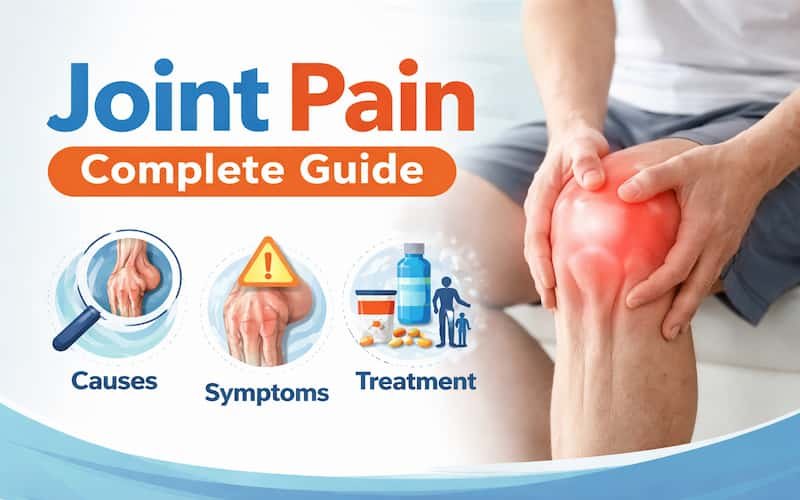
Joint pain is one of the most common health issues affecting people of all ages. Whether it’s a mild discomfort after a long day or chronic pain that limits movement, joint pain can significantly impact daily life. Many people ignore early symptoms, assuming it’s temporary, but untreated joint pain can lead to serious complications over time.
Overview of Joint Pain
Joint pain refers to discomfort, stiffness, or inflammation in any joint of the body. Joints are the connections between bones that allow movement, such as knees, shoulders, hips, elbows, and fingers.
Joint pain can be:
- Temporary (due to injury or overuse)
- Chronic (lasting for months or years)
It may affect one joint or multiple joints and can vary in intensity from mild to severe.
How Common Is Joint Pain?
Joint pain is extremely common worldwide:
- Millions of people suffer from joint-related problems
- It is more common in people above 40, but now younger individuals are also affected
- Sedentary lifestyle and poor diet are increasing cases rapidly
With increasing screen time, lack of exercise, and poor posture, joint pain is becoming a lifestyle disease.
Causes of Joint Pain
1. Arthritis
The most common cause of joint pain.
- Osteoarthritis – due to wear and tear
- Rheumatoid arthritis – autoimmune condition
2. Injury
- Sprains
- Fractures
- Ligament tears
3. Overuse
Repeated movement of a joint (e.g., typing, sports) can cause pain.
4. Age Factor
As we age, cartilage wears down, leading to stiffness and pain.
5. Obesity
Excess weight puts pressure on joints, especially knees and hips.
6. Infections
Certain infections can lead to joint inflammation.
7. Poor Lifestyle
- Lack of exercise
- Poor diet
Smoking and alcohol
Types of Joint Pain
Joint pain can be classified based on cause and duration.
1. Acute Joint Pain
- Short-term
- Usually caused by injury or infection
2. Chronic Joint Pain
- Lasts more than 3 months
- Common in arthritis
3. Inflammatory Joint Pain
- Caused by autoimmune diseases
- Includes swelling and redness
4. Mechanical Joint Pain
- Caused by wear and tear
- Worse with movement
Symptoms of Joint Pain
Common symptoms include:
- Pain or tenderness
- Swelling
- Stiffness
- Reduced range of motion
- Warmth around the joint
- Clicking or grinding sensation
If these symptoms persist, proper diagnosis and treatment are necessary.
Should You Ignore Joint Pain?
Short answer: NO
Ignoring joint pain for a long time can lead to:
- Permanent joint damage
- Reduced mobility
- Chronic inflammation
- Increased risk of disability
Early treatment is always easier and more effective.
When Should You See a Doctor?
You should consult a doctor if:
- Pain lasts more than a few weeks
- Joint is swollen or red
- You cannot move the joint properly
- Pain is severe or worsening
- You experience fever with joint pain
Early diagnosis can prevent serious complications.
Treatment Options for Joint Pain
Treatment depends on the cause and severity.
1. Medications
- Pain relievers
- Anti-inflammatory drugs
- Muscle relaxants
2. Physical Therapy
Helps improve movement and strengthen muscles around joints.
3. Lifestyle Changes
- Weight management
- Regular exercise
- Healthy diet
4. Surgery (Severe Cases)
- Joint replacement
- Arthroscopy
Natural and Home Remedies
Many people prefer natural methods for relief.
1. Hot and Cold Therapy
- Ice reduces swelling
- Heat relaxes muscles
2. Herbal Remedies
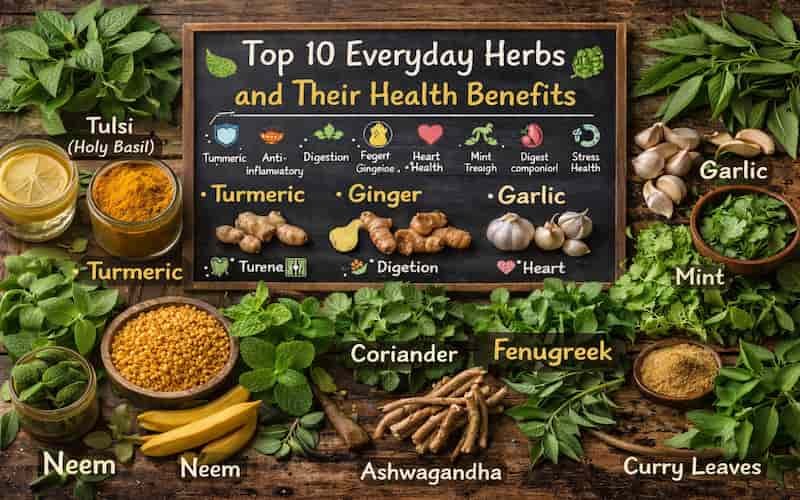
- Turmeric
- Ginger
- Ashwagandha
3. Exercise
- Yoga
- Stretching
- Walking
4. Balanced Diet
Include:
- Calcium-rich foods
- Vitamin D
Omega-3 fatty acids
Best Therapies for Joint Pain

Different therapies can help manage joint pain effectively.
1. Physiotherapy
✔ Improves mobility
✔ Strengthens muscles
2. Chiropractic Therapy
✔ Focuses on spinal alignment
✔ Helps reduce pain
3. Acupuncture
✔ Ancient Chinese therapy
✔ Reduces pain naturally
4. Massage Therapy
✔ Improves blood circulation
✔ Relieves stiffness
5. Hydrotherapy
✔ Water-based exercises
✔ Reduces pressure on joints
Physiotherapy is considered the most effective and widely recommended therapy.
Diet for Joint Pain Relief
Diet plays a crucial role in managing joint pain.
Foods to Include:
- Leafy greens
- Nuts and seeds
- Fish (rich in Omega-3)
- Fruits like berries and oranges
Foods to Avoid:
- Processed foods
- Sugary drinks
- Fried items
- Excess salt
Lifestyle Tips to Prevent Joint Pain
Prevention is always better than cure. ✔ Maintain healthy weight
✔ Stay physically active
✔ Avoid long sitting hours
✔ Use proper posture
✔ Wear comfortable footwear
Frequently Asked Questions (FAQ)
1. Can joint pain go away on its own?
Mild joint pain may go away, but chronic pain requires treatment.
2. Which vitamin is best for joint pain?
Vitamin D and Calcium are essential.
3. Is walking good for joint pain?
Yes, moderate walking improves joint flexibility.
4. Can young people have joint pain?
Yes, due to poor lifestyle and excessive screen time.
5. What is the fastest way to relieve joint pain?
Rest, ice therapy, and pain relievers can provide quick relief.